Avoid Stubble Burning: Improve Soil Health with Organic and Natural Farming
Farmers can improve soil fertility and crop productivity by adopting organic and natural farming instead of burning crop residue.
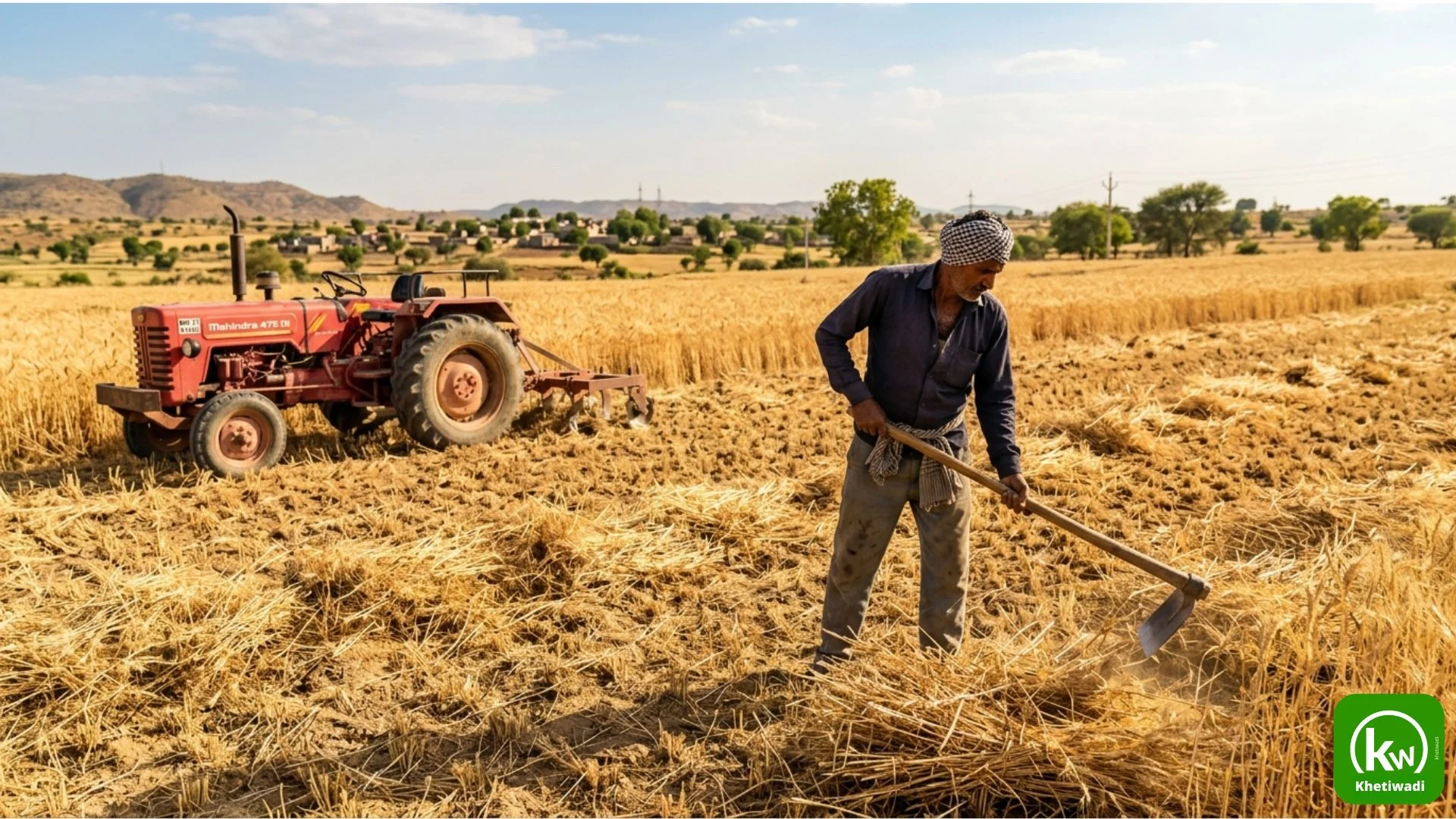
Burning crop residue after harvest is a common practice among farmers because it clears the field quickly. However, this practice causes serious damage to soil fertility and the environment.
Agricultural experts recommend that farmers should avoid burning crop residue and instead adopt organic and natural farming practices to improve soil health.
What is Crop Residue?
After harvesting crops like wheat and rice, the remaining stalks and plant residues left in the field are called crop residue or stubble.
Disadvantages of Stubble Burning
- Reduces soil fertility
- Destroys beneficial soil microorganisms
- Increases air pollution
- Reduces long term crop productivity
Impact on Soil Health
Burning residue removes organic matter from the soil and reduces its ability to retain moisture and nutrients.
Proper Crop Residue Management
Farmers can mix crop residue into the soil to convert it into organic matter, which improves soil structure and fertility.
Benefits of Organic Farming
- Improves soil fertility
- Reduces chemical input cost
- Improves crop quality
Importance of Natural Farming
Natural farming uses local resources such as cow dung, cow urine, compost and bio inputs to maintain soil health.
Government Support
Many government programs encourage farmers to adopt residue management technologies and natural farming practices.
Conclusion
Instead of burning crop residue, farmers should use it to improve soil health and adopt sustainable farming practices.
Tags
- नरवाई प्रबंधन
- जैविक खेती
- प्राकृतिक खेती
- organic farming
- stubble management